

A Landmark of Innovation, Industry, and Community Connection
Created and Designed by Mayor Heather Fischer (2021–2025)
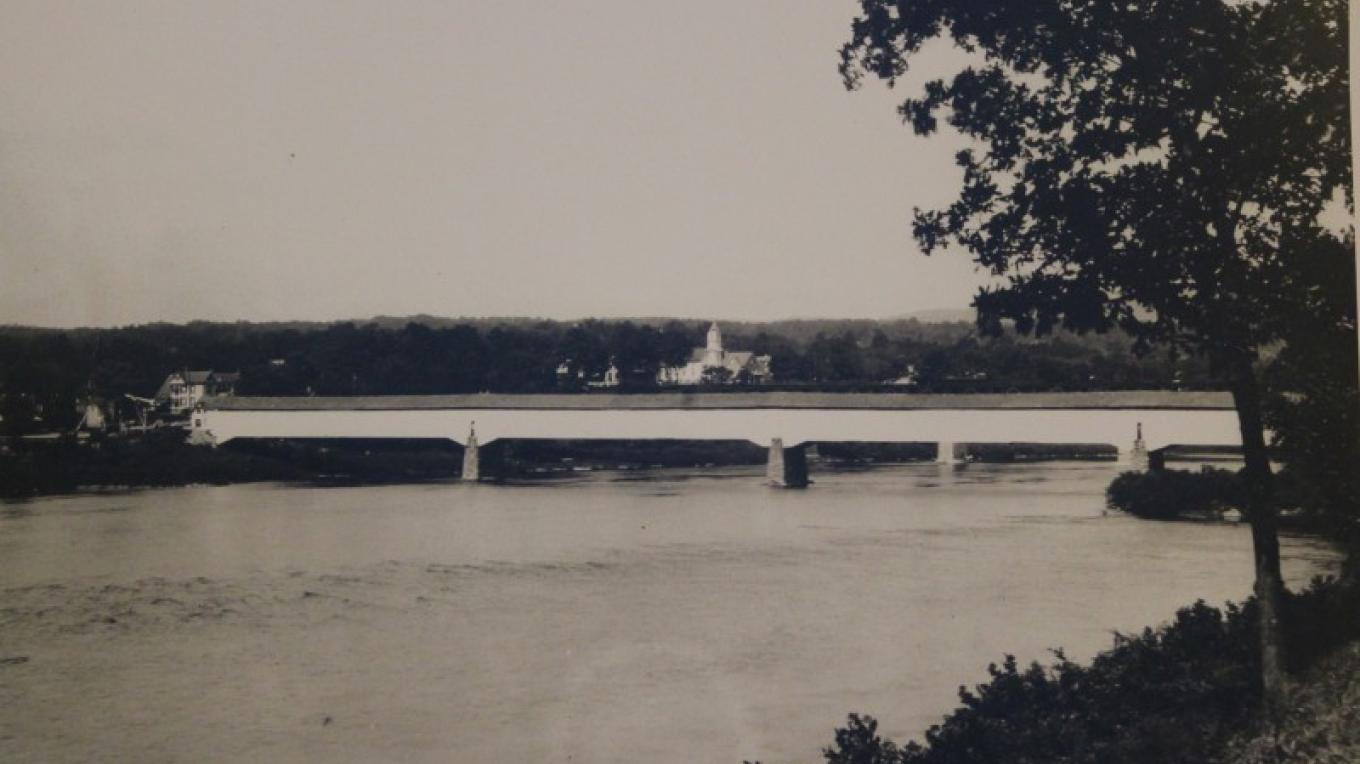
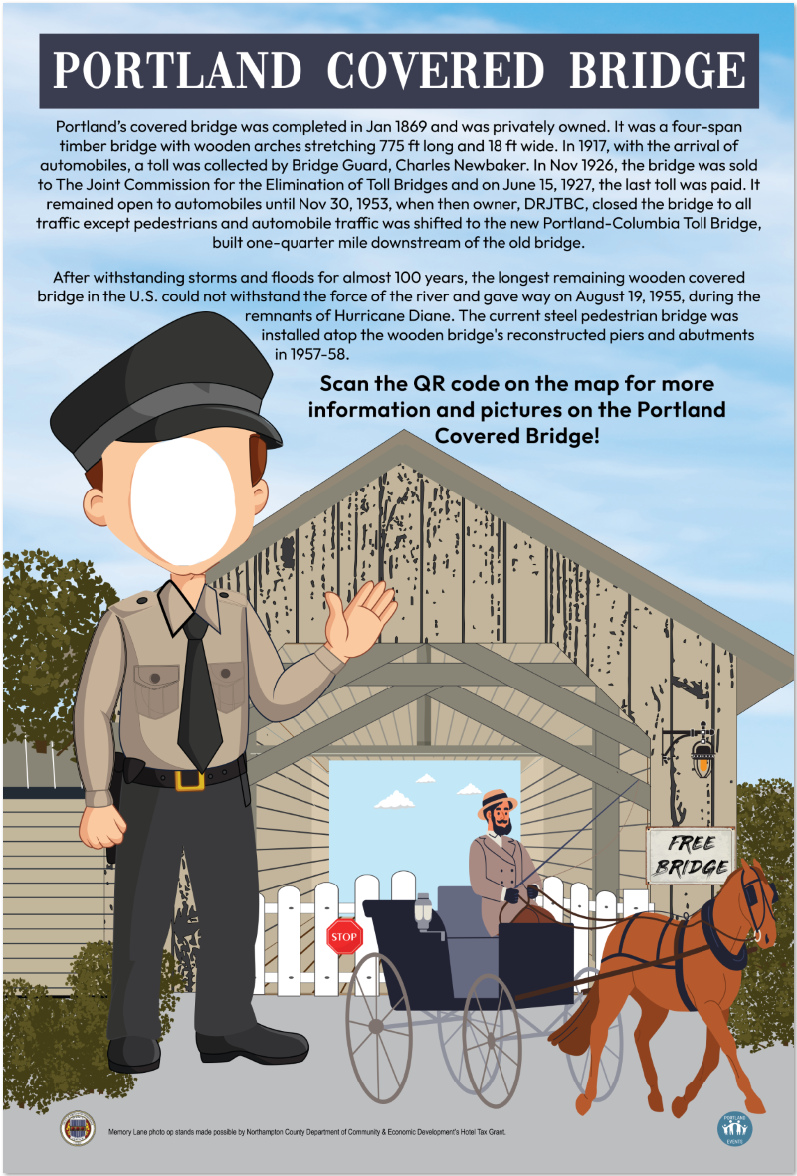
Part of the Face in Hole Memory Lane art exhibit for Portland Founder’s Day, funded through Northampton County DCED’s Hotel Tax Grant Program. This piece honors the legacy of the Portland–Columbia Covered Bridge, a structure that once spanned the Delaware River and symbolized the unity, industry, and determination of two communities.
Introduction
Designed as part of the Face in Hole Memory Lane series for Portland Founder’s Day, this 6-ft interactive artwork allows visitors to “step into” the bridge’s history—standing where travelers, workers, and families once crossed for over a century.
This exhibit was researched by Mayor Fischer through available historical accounts and then later updated with facts received on 12/15/2023 from Joseph F. Donnelly, Deputy Executive Director of Communications for the DRJTBC.
Historical Timeline & Construction
- 1816 – The Idea is Born:
Records indicate that Francis Myerhoff, owner of the Columbia Glass Works, received a charter from the State of New Jersey to construct a bridge across the Delaware River to transport sand needed for his glass factory. - 1839 – A New Company Chartered:
After the initial bridge effort failed, the Columbia Delaware Bridge Company was chartered jointly by New Jersey and Pennsylvania. Backed by noted industrialist John Insley Blair of Blairstown, N.J., the company aimed to connect Portland (then known as Dill’s Ferry) and Columbia, New Jersey. - 1869 – The Covered Bridge Opens:
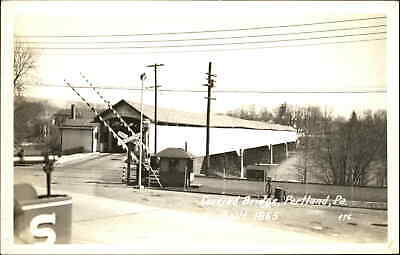
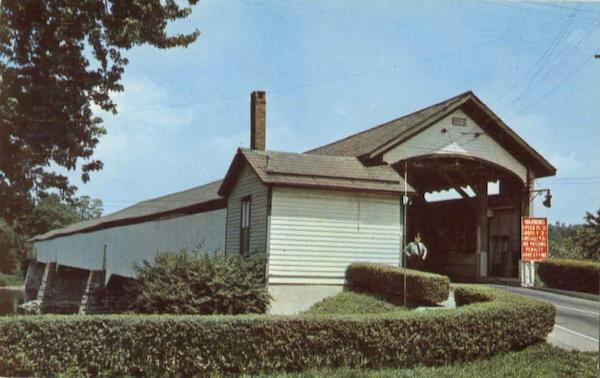
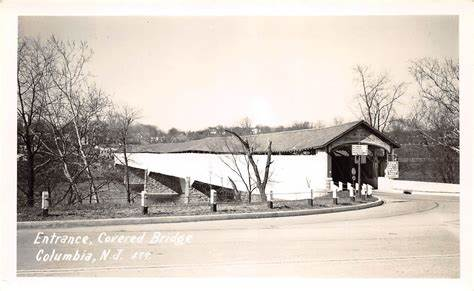
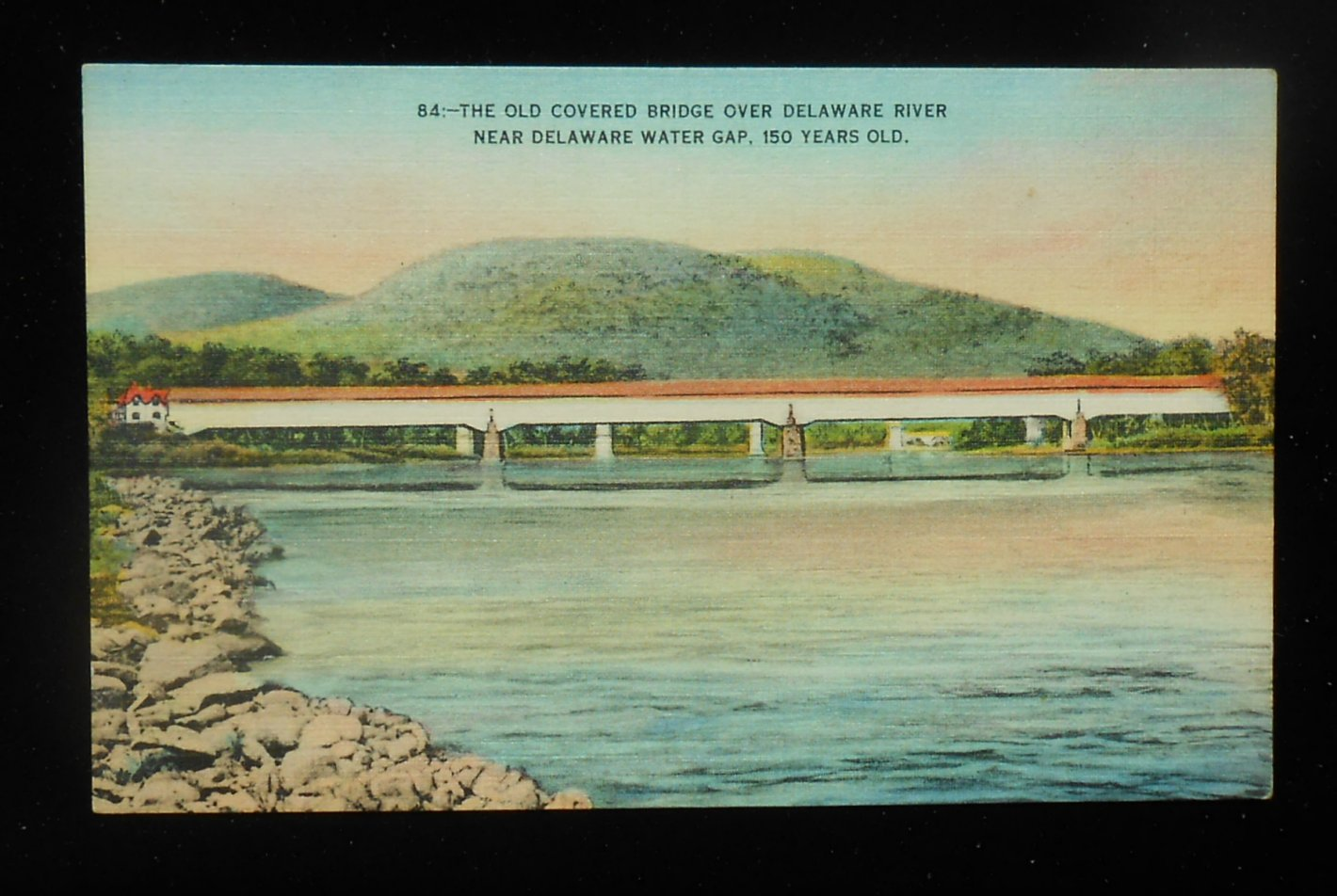
The bridge was completed in January 1869 by the Charles, Kellogg & Maurice Company of Athens, Pennsylvania (later the Union Bridge Company).- Cost: Approximately $40,000
- Type: Burr Truss, four-span timber bridge with wooden arches
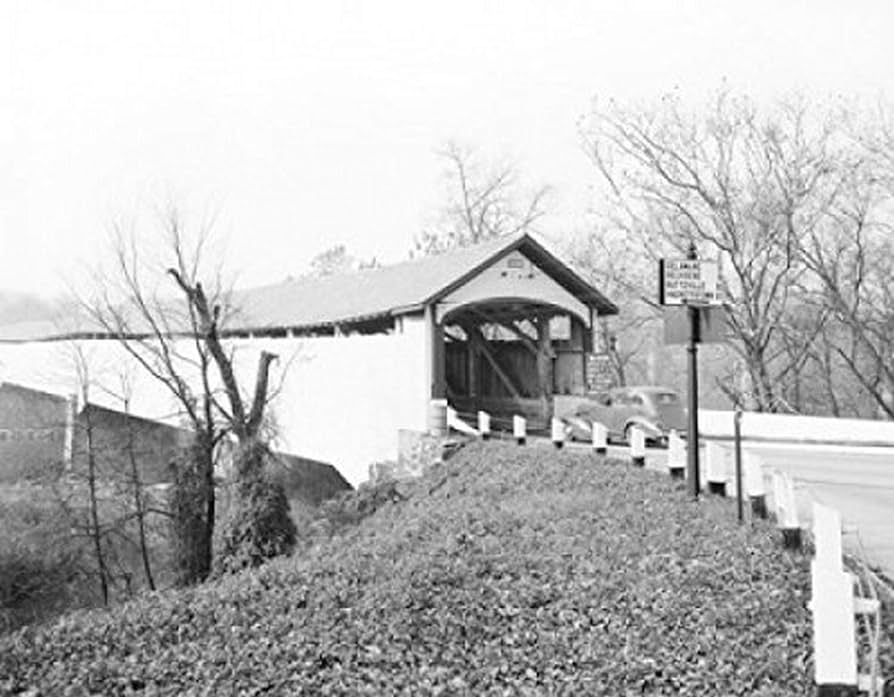
- Dimensions: 775 feet long, 18 feet wide, covered by a wooden shed with a slate roof
- Opened: February 1, 1869, possibly one of the last multi-span covered bridges constructed in the United States during the 19th century.
Stories from the Bridge
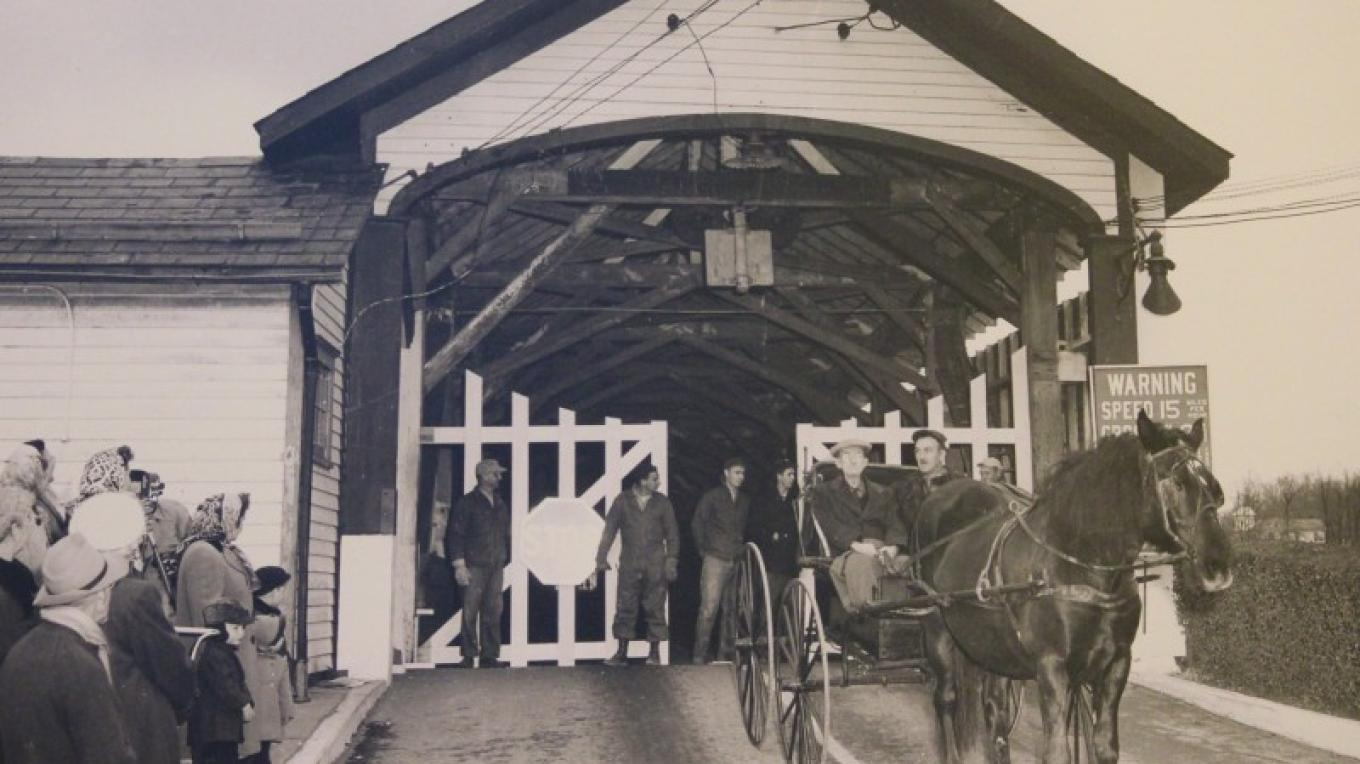
Bridge guard Charles Newbaker, Sr. recounted one memorable day when a circus attempted to cross: the elephant, terrified of the enclosed bridge, refused to enter and swam across the Delaware River instead—a moment that became local legend.
The Toll Bridge Era (1869–1927)
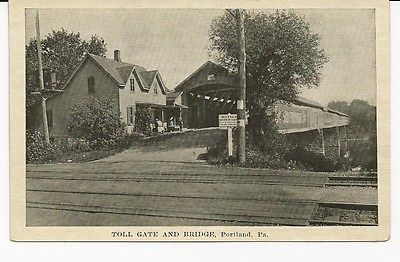
From its opening day, the bridge operated as a toll bridge. Tolls were collected for every type of traveler—livestock, carts, pedestrians, and eventually automobiles.
By 1917, toll collector Charles Newbaker maintained the following rates:
| Type of Traveler | One Way | Round Trip |
|---|---|---|
| Coupe Auto | $0.20 | $0.35 |
| Touring Car | $0.25 | $0.40 |
| Pedestrian / Horseback | $0.02 | $0.04 |
| Double Team / Wagon | $0.20 | $0.40 |
| Wheelbarrows / Express Wagons | $0.04 | $0.08 |
| Family Monthly Pass | $0.50 | — |
| Storekeepers / Coalmen | — | $0.20 |
| Baby Carriages | Free | Free |
The bridge was tolled for 57 years, remaining a major revenue source and even dubbed a “gold mine” by locals during the automobile boom.
Advertising, Ownership & the End of Tolls
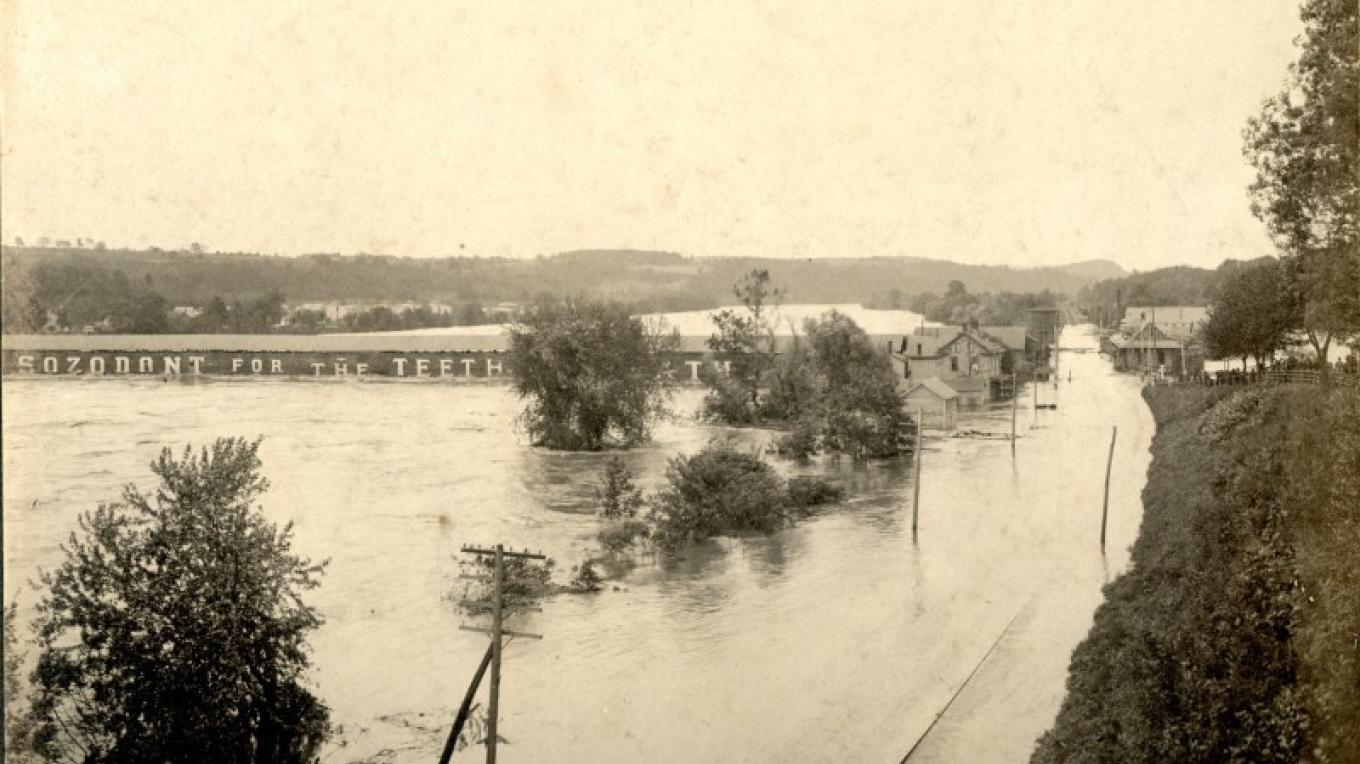
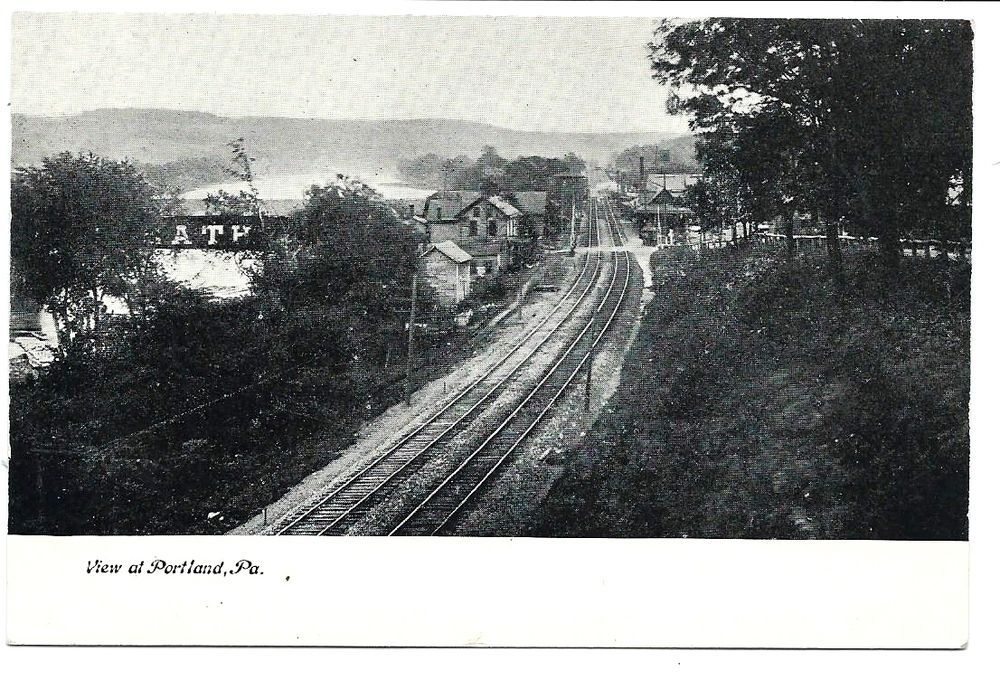
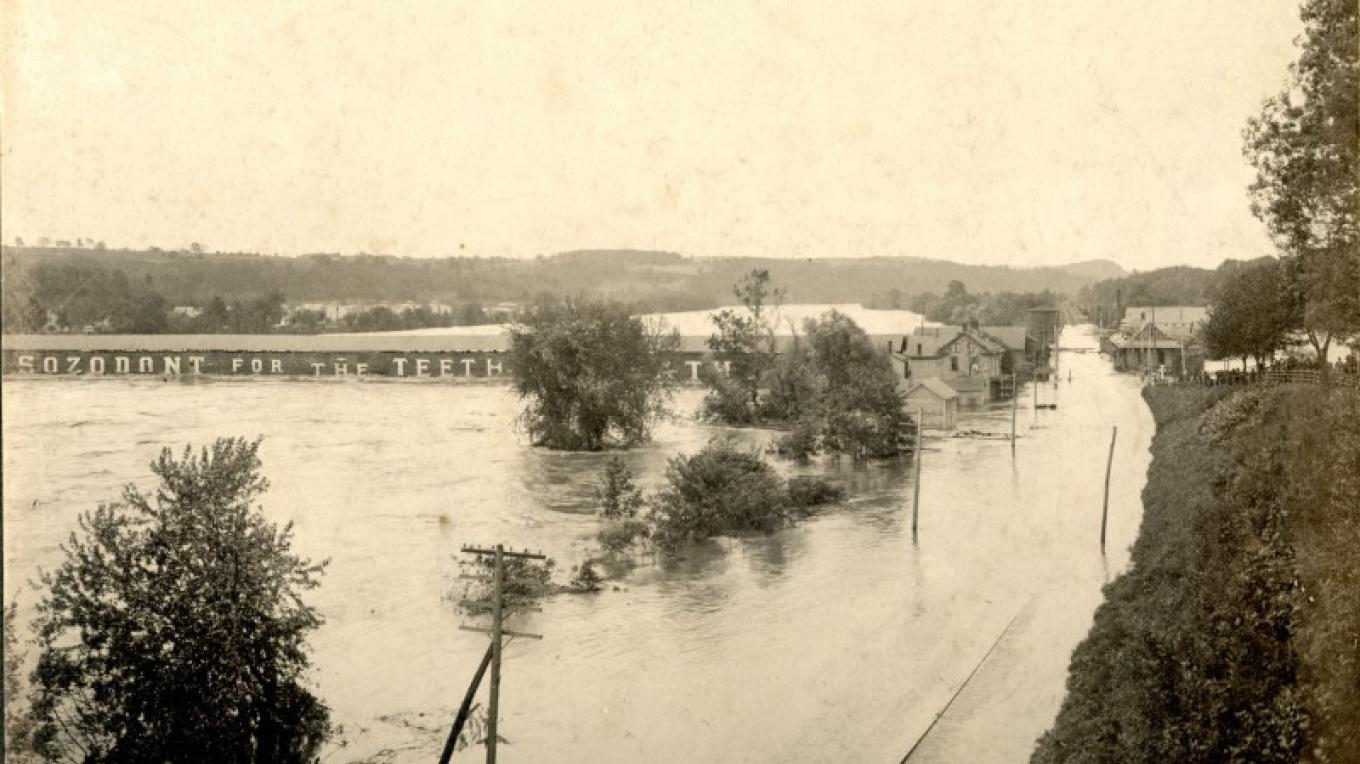
Commercial ads once covered the bridge’s outer walls. In 1903, it featured the massive “Pure and Harmless Sozodont for the Teeth and Breath” ad—the largest known in the U.S. at the time—and later, a red Coca-Cola advertisement in 1917.
In 1926, the structure was purchased by the Joint Commission for the Elimination of Toll Bridges for $50,000. On June 15, 1927, toll collector Charles Newbaker accepted the final toll (from a car with Pennsylvania plate 213688) before painting “FREE BRIDGE” signs on both entrances.
From Private to Public Care
Though operated by various commissions, the Delaware River Joint Toll Bridge Commission did not originally own the bridge. Instead, Pennsylvania and New Jersey jointly held the deed, while the Commission maintained and operated it on behalf of the states starting in 1934.
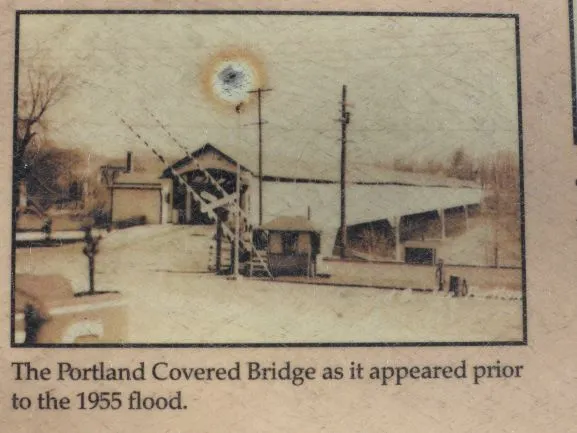
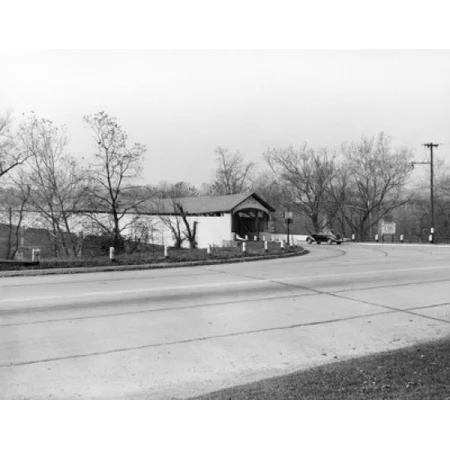
The bridge closed to vehicle traffic on November 30, 1953, redirecting cars to the new Portland–Columbia Toll Bridge, one-quarter mile downstream. It continued serving pedestrians until tragedy struck.
The Great Flood of 1955
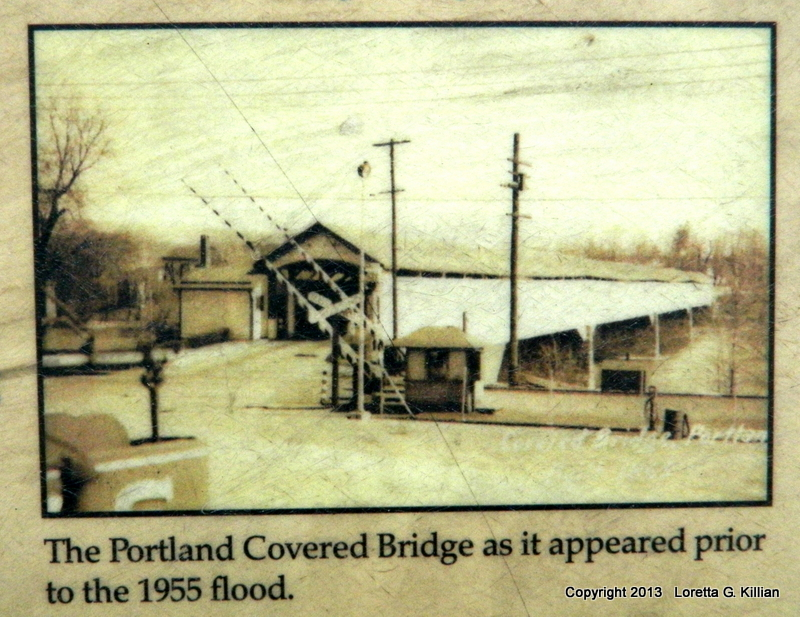
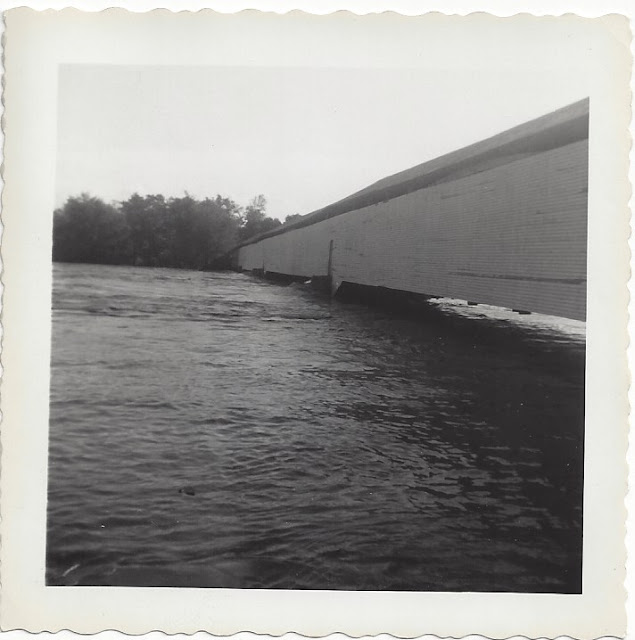
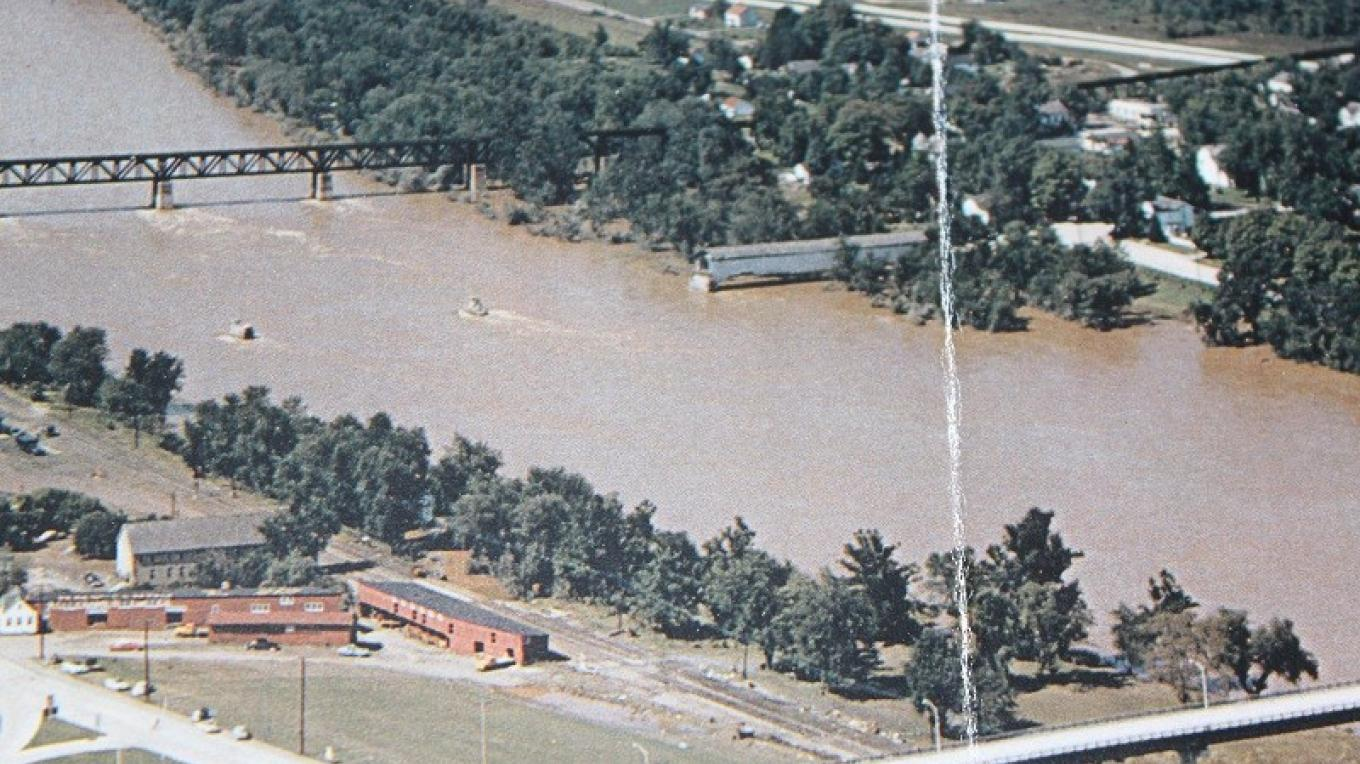
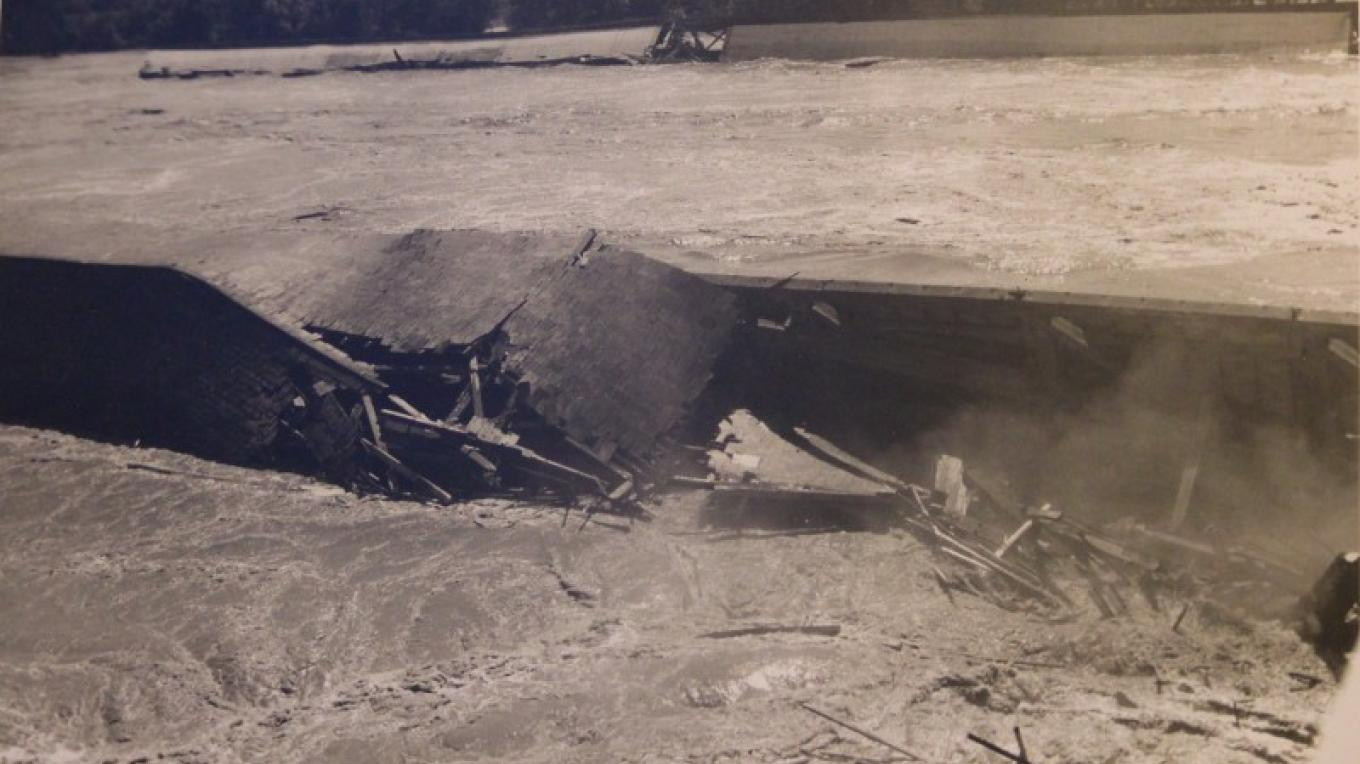
On August 19, 1955, during Hurricane Diane, the Delaware River rose to record levels. Residents watched as homes, animals, and debris swept past. The Portland–Columbia Covered Bridge—then the longest remaining covered bridge in the United States—could not withstand the force.
Three of its four spans were destroyed, ending an era of wooden bridge engineering and community pride.
The Modern Pedestrian Bridge
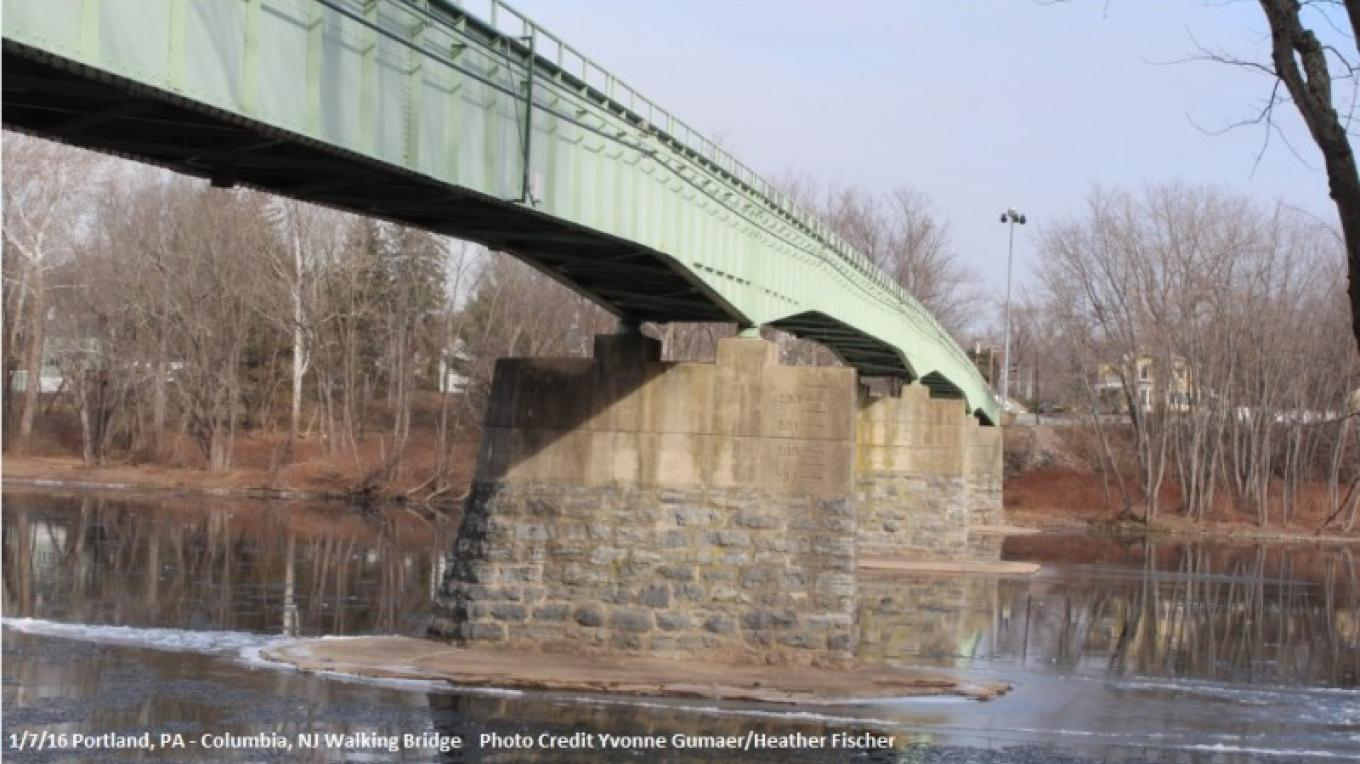
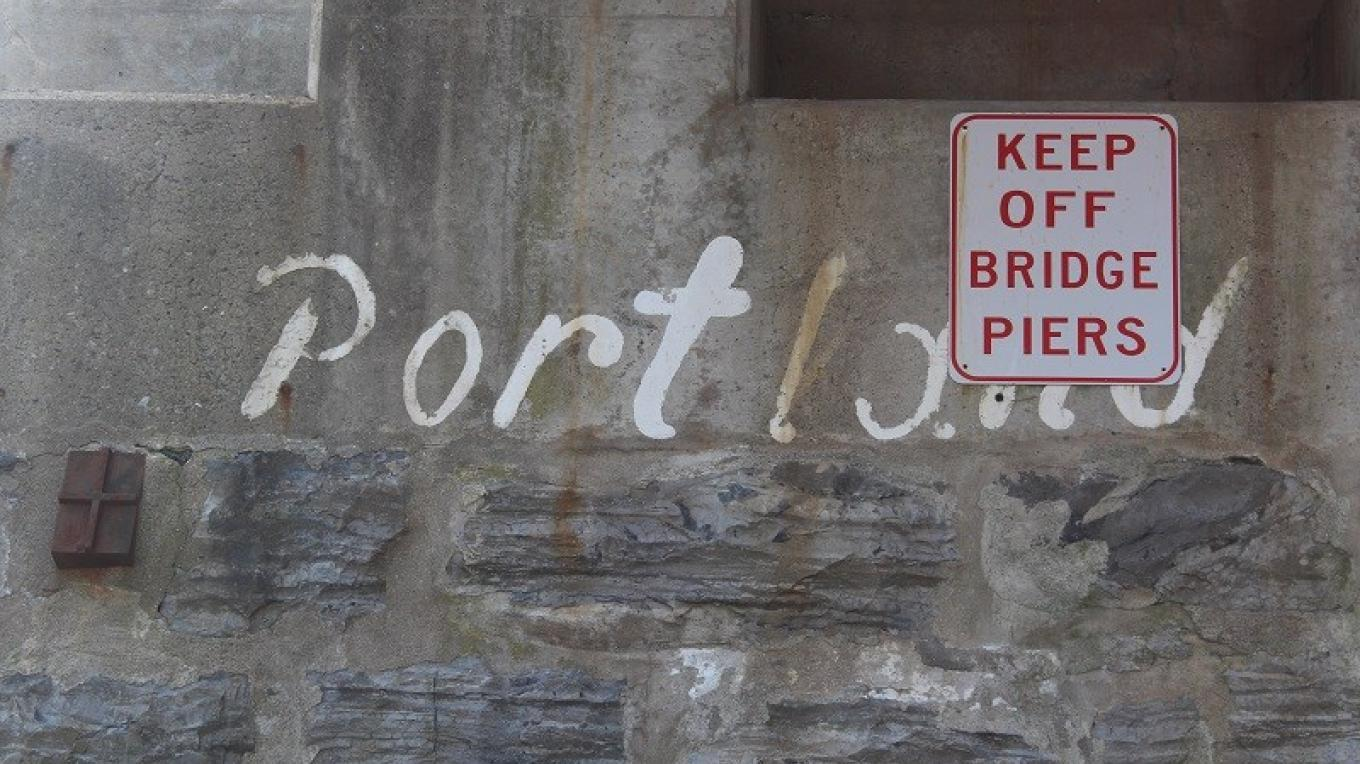
In 1957–1958, a new steel and concrete pedestrian bridge was constructed atop the original stone piers and abutments using public funds from both states. It opened October 22, 1958, remaining jointly owned until July 1, 1987, when ownership was formally transferred to the Delaware River Joint Toll Bridge Commission.
Today, the pedestrian bridge remains open—linking Portland, PA to Columbia, NJ, serving as part of the Liberty Trail and the September 11th National Memorial Trail, a 1,300-mile commemorative route connecting the World Trade Center, the Pentagon, and Flight 93 Memorial.
It stands not just as infrastructure, but as a symbol of endurance, heritage, and unity between two river towns.
The Delaware River Connection
Before bridges and railroads, the Delaware River was the lifeline of commerce and travel.
- Native tribes navigated it by canoe.
- By the mid-18th century, rafts transported lumber during spring floods.
- Even by 1870, rafts were so numerous near Portland that the river was “full as far as the eye could see.”
The bridge’s construction marked the transition from water-based trade to industrial transportation that defined the Slate Belt’s growth.
Legacy and Tribute
Mayor Heather Fischer’s artwork honors:
- The workers who built and maintained the Portland–Columbia Covered Bridge.
- The travelers, merchants, and farmers who used it daily.
- The public servants, like Charles Newbaker, who safeguarded it for generations.
Through her design and historical research, she turned local history into an immersive, community-centered experience that connects visitors with the stories of craftsmanship, perseverance, and progress that define Portland’s identity.
“Our bridges connect more than land—they connect legacies.”
— Mayor Heather Fischer, 2024